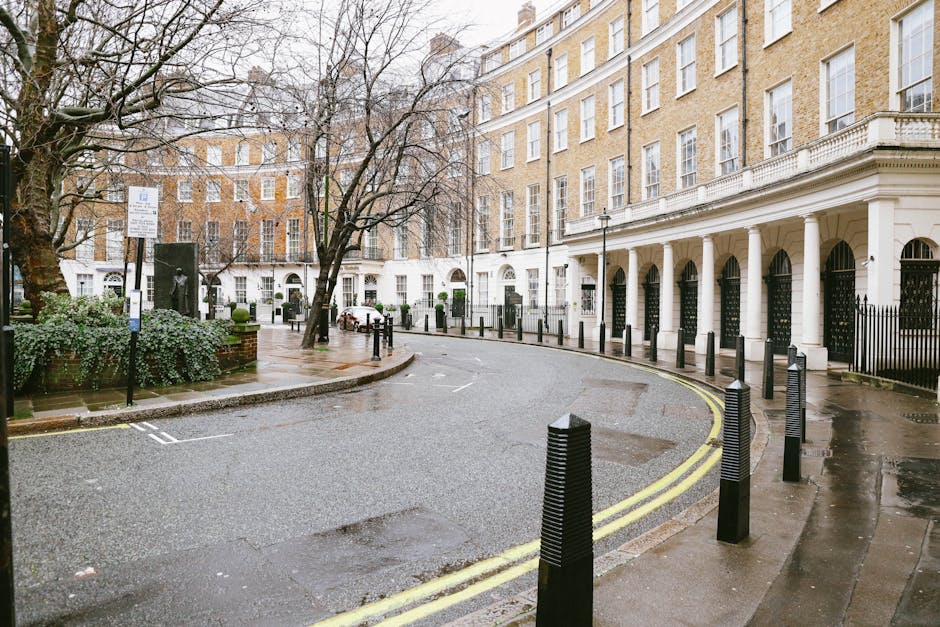
Belgrave Square removals access and parking tips
Moving in and out of Belgrave Square can feel a bit like solving a puzzle with a van parked in the middle of it. The streets are elegant, the buildings are grand, and the logistics? Not always as graceful. If you are trying to plan Belgrave Square removals access and parking tips, the real challenge is usually not the lifting itself, but getting close enough to the property, loading efficiently, and avoiding delays that ripple through the whole day.
This guide breaks down the practical side of moving in this part of London: access, parking, loading bays, timing, vehicle choice, and the small details that make a large difference. Whether you are moving a flat, a townhouse, an office, or just a few bulky items, the aim is to help you plan with fewer surprises and a calmer head. Truth be told, calm is half the job on moving day.
If you want more background on the wider moving services available, you may also find the team's removals and home moves pages useful, especially if you are comparing what level of support you need.
Table of Contents
- Why Belgrave Square removals access and parking tips matters
- How Belgrave Square removals access and parking tips works
- Key benefits and practical advantages
- Who this is for and when it makes sense
- Step-by-step guidance
- Expert tips for better results
- Common mistakes to avoid
- Tools, resources and recommendations
- Law, compliance, standards, or best practice
- Options, methods, or comparison table
- Case study or real-world example
- Practical checklist
- Conclusion
- Frequently asked questions
Why Belgrave Square removals access and parking tips Matters
Belgrave Square is not the kind of place where you can simply pull up, swing open the rear doors, and hope for the best. Access is often tight, parking can be limited, and the flow of traffic can change quickly depending on the time of day. A small mistake here can turn a neatly planned move into a long, awkward wait.
Why does that matter so much? Because removals are time-sensitive. Every extra minute spent circling for parking is a minute the crew is not loading, and every extra trip from van to front door adds strain, risk, and cost. In a high-value central London setting, there is also the simple matter of presenting yourself professionally. Nobody wants boxes on the pavement, a van blocking the wrong section of road, or neighbours looking at the operation like it has just lost the plot.
Good access planning reduces stress in three ways:
- It shortens loading and unloading time.
- It lowers the chance of avoidable damage to furniture, walls, or doors.
- It helps you stay organised if parking or waiting arrangements change at short notice.
For larger or more complex properties, access planning is often more important than the carrying itself. That is especially true for people using a man with van service or booking a larger crew through removal services, because the vehicle size and street layout need to work together, not against each other.
How Belgrave Square removals access and parking tips Works
In practical terms, access planning means matching the move to the street conditions before the first box is lifted. That includes checking where the vehicle can stop, how far it is from the entrance, whether there are steps or narrow hallways, and whether the driver will need to wait while someone clears space outside.
The process usually starts with a property review. You look at the frontage, the entrance width, the nearest possible stopping point, and any obstacles such as railings, low trees, basement steps, gated access, or resident-only restrictions. You then decide what vehicle and what crew size makes sense. Sometimes a smaller vehicle is smarter than a large truck. Sometimes the opposite is true if you are moving a full household and do not want multiple shuttle runs.
A good removals plan will also account for the time of day. Early mornings are often easier for access, though that depends on your schedule and any building rules. Midday can be busier. Later in the day, traffic and parking pressure can make everything feel a bit tighter. To be fair, London can do that no matter how polished your spreadsheets are.
If your move involves bulky items, specialist lifting, or a particularly awkward staircase, you may also want to look at furniture removals or piano removals. Those services tend to need more careful access planning than a standard box-only move.
For office moves, the same logic applies, but with more attention to building management, delivery windows, and shared entrances. A well-timed office removals plan can save hours of hassle.
Key Benefits and Practical Advantages
When access and parking are thought through properly, the benefits show up almost immediately on moving day. The whole operation becomes smoother, quieter, and less reactive. That is the real win.
- Faster loading and unloading: The closer the vehicle can safely get, the fewer steps the team needs to take with each item.
- Lower physical strain: Repeated carrying over long distances is tiring and can increase the chance of accidents.
- Reduced delay risk: If parking has already been mapped out, you are less likely to lose time hunting for a space.
- Better protection for belongings: Shorter carry distances mean fewer opportunities to knock, scrape, or drop items.
- Cleaner handover experience: Neighbours, porters, and building managers tend to appreciate a move that feels controlled and tidy.
There is also a financial angle. A move that runs over because of poor access planning can lead to extra labour time or the need for a second trip. Not always, but often enough to matter. If you are still comparing service levels, the company's pricing and quotes page can help you understand what affects the final figure.
And one more thing: good planning helps you stay relaxed. That sounds soft, maybe, but it is not. When the crew arrives and there is a clear route, a sensible stop point, and a realistic loading plan, the day feels manageable. You can breathe again.
Who This Is For and When It Makes Sense
These tips are relevant to almost anyone moving in Belgrave Square, but they matter most in a few common situations.
Home movers
If you are moving out of a townhouse or into one of the square's larger residential properties, access can be more demanding than expected. Staircases, front steps, tighter internal corridors, and restricted kerbside stopping points all need attention. A structured house removals plan is usually the safest starting point.
Flat and apartment movers
For residents in flats near the square, the key issues are often parking distance, lift access, and shared entrances. Even a modest move can become tricky if the lift is small or the stairwell turns sharply. In those cases, flat removals and careful packing make a noticeable difference.
Business relocations
Offices need tighter timing because people still need to work, building rules may be stricter, and equipment may be sensitive. If you are planning a relocation with IT gear, filing, or furniture, it is worth looking at commercial moves or office relocation services.
Smaller or same-day moves
If your move is light but urgent, parking and access still matter. A small vehicle may be the best fit, especially if you are using a removal van or need same day removals. In central London, speed is useful, but only if the access plan is sensible.
In short: if there is any chance the vehicle cannot stop right outside, these tips are for you. That is most people in Belgrave Square, honestly.
Step-by-Step Guidance
Here is a practical way to handle Belgrave Square access and parking without overcomplicating it.
- Inspect the property frontage. Check the entrance, kerb height, steps, gates, bollards, and any low-hanging obstacles. Take photos if that helps you explain the setup clearly.
- Measure the carry distance. Walk from the nearest sensible stopping point to the front door. A short walk on a quiet street can become longer when you are carrying mattresses, wardrobes, or packed boxes.
- Decide what vehicle size fits best. For some addresses, a smaller van is easier to position than a larger truck. For fuller house moves, a larger vehicle may be more efficient. The best choice is the one that balances parking ease with loading capacity.
- Choose the best time window. If possible, avoid the busiest periods and aim for a time when the street is less congested. Sometimes the early quiet of the morning makes all the difference.
- Clarify who is handling parking. Will the driver stop briefly while someone checks the route? Is there a concierge or building manager to coordinate with? Get this straight before moving day.
- Prepare the building side. Let residents or staff know the move is happening, protect the floors, and make sure the entrance is kept clear. One stray parcel trolley can throw the whole rhythm off.
- Pack for quick access. Place essentials, fragile items, and tools where they can be reached fast. Using packing and boxes properly saves time later, especially when you need to find documents or keys in a hurry.
- Keep a backup plan. If the ideal parking spot is occupied, have a second option ready. A move always feels less stressful when plan B already exists.
A small but useful habit: keep your phone charged and available. Parking arrangements change. Drivers get redirected. Building staff ask questions. It happens. When everyone can speak quickly, things move along far better than if somebody is wandering around with a dead battery and a face like thunder.
Expert Tips for Better Results
These are the details that tend to separate an orderly move from a frustrating one.
- Use the shortest safe route, not just the shortest route. A front entrance might be closer, but a side access point could be safer if the pavement is busy or the frontage is awkward.
- Break large items down where possible. Flat-pack furniture, detached shelves, and removed doors can make a real difference in tight access situations.
- Label items by room and urgency. That way, the crew can unload in a more logical order, and you are not hunting for bedding at 9 p.m.
- Protect the route inside the property. Floors, corners, and banisters can all take a beating if they are left unprotected. Good teams usually handle this, but it is worth checking.
- Be honest about awkward items. Oversized sofas, antique cabinets, and pianos need special handling. If a job feels tight, it probably is.
One practical observation from real moving days: the "nearly enough space" spot is rarely enough. If the van can stop a little more cleanly, even if it means a slightly different approach, that small improvement pays back over and over in less hassle and fewer awkward turns.
For people with heavier or more valuable items, it can also help to review insurance and safety and the company's health and safety policy. Nothing dramatic, just sensible due diligence.
Common Mistakes to Avoid
Most removals problems in Belgrave Square are avoidable. That is the annoying part, really. But it also means you can do something about them.
- Assuming the van can park directly outside. In central London, that assumption causes more delay than almost anything else.
- Not checking building rules. Some buildings have delivery windows, lift reservations, or porter requirements. Miss those, and the day can wobble.
- Choosing the wrong vehicle size. Too large and you may struggle to position it. Too small and you may need extra trips.
- Leaving packing until the last minute. Last-minute packing creates chaos at the exact moment you need order.
- Forgetting the return journey. Unloading is only half the move; parking at the destination matters too.
- Not protecting narrow routes. A pristine wall corner can be damaged very quickly if the move is rushed.
And perhaps the biggest one: not asking enough questions. If you are unsure, ask. It is much cheaper to clarify before the lorry arrives than to improvise while a neighbour is waiting to get past with a shopping bag and a raised eyebrow.
Tools, Resources and Recommendations
You do not need a complicated toolkit to manage a move in Belgrave Square, but a few practical items and preparations help a lot.
- Phone camera: Useful for taking quick photos of parking space constraints, entrance steps, or anything unusual.
- Printed move plan: A simple sheet with times, contact names, access notes, and item priorities works surprisingly well.
- Sticky labels and marker pens: Basic, but still one of the most useful things you can buy for moving day.
- Floor and door protection: Especially helpful in properties with polished surfaces or tight hallways.
- Spare keys and access codes: Keep them together and available to the right person. No one enjoys waiting outside a gated entrance while a key is "definitely somewhere".
When you are comparing support options, look at whether the provider can handle a wider range of moving needs. For example, if you are only moving a few items, man with a van may be enough. If you are moving an entire property, a more complete removal companies search may lead you toward a fuller service package, though the exact fit depends on your situation.
If packing is weighing you down, the team's packing and unpacking services can also reduce the pressure around access timing, because the move can be staged more efficiently.
Law, Compliance, Standards, or Best Practice
It is sensible to approach parking and access in Belgrave Square as a compliance-and-courtesy issue, not just a logistics issue. You should always follow the local parking restrictions, building instructions, and any loading rules that apply to the property. Because this is a central London location, the margin for error is usually small.
Best practice typically includes:
- checking parking restrictions before the move;
- using safe loading and unloading methods;
- keeping pavements and entrances as clear as possible;
- communicating access needs in advance;
- making sure any vehicle used is appropriate for the street and the load.
For the mover, that means planning safely and working within the property's rules. For the customer, it means being transparent about access constraints and not leaving everything to guesswork. If you are using a provider for a sensitive or high-value move, reviewing terms and conditions and payment and security is a sensible part of due diligence.
If your move creates surplus items, think about disposal and reuse early. A move is a good moment to reduce waste rather than shift clutter from one postcode to another. The company's recycling and sustainability page may be helpful if you want to understand that side of the process.
Options, Methods, or Comparison Table
Different move types call for different access strategies. Here is a simple comparison that may help you decide what is most realistic.
| Move type | Best parking/access approach | Typical advantage | Possible drawback |
|---|---|---|---|
| Small flat move | Compact vehicle, shorter loading window, clear route to entrance | Flexible and usually easier to position | May need more trips if volume is underestimated |
| Full house move | Larger vehicle with strict timing and a pre-planned stop point | Fewer journeys and better efficiency | Harder to park in tighter streets |
| Office move | Early access, managed loading window, coordination with building staff | Less disruption to staff and operations | Requires more scheduling and communication |
| Bulky-item move | Close stopping position and extra protection for the route | Safer handling of awkward items | Needs more manpower or specialist lifting |
If you are unsure which route to take, the simplest answer is usually the best one: choose the method that keeps the route short, the timing realistic, and the crew able to work without constant interruption. There is no prize for overcomplicating it.
Case Study or Real-World Example
Here is a typical scenario. A client is moving from a Belgrave Square flat with a few heavy pieces, including a dining table, several boxes, and a wardrobe that has seen better days. The first instinct is to book a larger vehicle and hope it can park close enough for a quick load.
That sounds fine until the street is busier than expected and the nearest space is a little too far for efficient loading. Instead, the better approach is to plan for a smaller vehicle stop point, agree the loading order in advance, and separate the items into "first out" and "last out" groups. The wardrobe gets dismantled ahead of time, fragile items are labelled, and the route through the building is protected before the van arrives.
The result is not glamorous, but it works. The team spends less time improvising, the customer is less stressed, and the move finishes without that tired, frantic feeling you sometimes get when nobody has quite agreed who is doing what. A small win, but a meaningful one.
The same principle applies to families, landlords, and professionals alike. If the access plan is clear, the rest of the day becomes much easier to manage.
Practical Checklist
Use this checklist before move day. It is simple, but it catches a lot of the common issues.
- Confirm the full address and exact entrance to be used.
- Check the nearest realistic stopping point for the vehicle.
- Review building rules, lift access, and delivery timings.
- Measure awkward items and check for dismantling needs.
- Label boxes by room and priority.
- Keep keys, codes, and contact numbers easy to reach.
- Protect floors, corners, and door frames where needed.
- Decide who will manage parking communication on the day.
- Plan a backup parking option.
- Set aside essentials for immediate access after arrival.
One line summary? If it is not planned before the van arrives, it will probably slow you down later. Simple as that.
Get a free quote today and see how much you can save.
Conclusion
Belgrave Square removals access and parking tips are really about one thing: making a complicated urban move feel controlled. When you understand the street layout, choose the right vehicle, plan the timing, and prepare the route properly, everything becomes easier. Not perfect, just easier. And in moving, easier is a very good outcome indeed.
Whether you are moving a home, a flat, or a workplace, the same truth applies. Good access planning saves time, protects belongings, and lowers stress. It also gives you a bit of breathing room on a day that can otherwise feel tightly packed from the first minute. That breathing room matters.
If you are ready to take the next step, the most sensible move is to speak with a trusted team that understands central London logistics and can help you plan the job properly. A bit of preparation now can save a lot of rushing later, and that is the kind of trade-off worth making.
Frequently Asked Questions
What is the biggest challenge with removals in Belgrave Square?
The main challenge is usually access, not lifting. Parking can be limited, streets may be busy, and the distance from vehicle to entrance can make loading slower than expected.
Should I book a small van or a larger moving vehicle?
It depends on the volume of items and the street conditions. A smaller vehicle is often easier to position, while a larger vehicle may be more efficient for fuller moves. The best choice balances capacity with access.
How early should I plan parking for a Belgrave Square move?
As early as possible. Parking and access should be part of your planning from the start, not something left until the morning of the move.
Do I need to speak to the building manager or concierge first?
Usually, yes. If there are lift rules, delivery windows, or entrance procedures, it is much better to know them in advance than discover them when the van has already arrived.
What should I do if the closest parking space is taken?
Have a backup stopping point in mind. A good move plan always includes an alternative, because central London parking can change quickly.
Are same-day moves realistic in this area?
They can be, but only if the access and parking picture is straightforward enough. If you need an urgent job, same day removals may help, but careful planning is still essential.
How can I make loading faster?
Pack by room, label clearly, dismantle bulky items where possible, and keep a clear path from the entrance to the vehicle. These small steps save real time.
What if I have large or awkward furniture?
Measure it, plan the route, and consider specialist handling. Services such as furniture removals or piano removals are better suited to difficult items than a standard carry.
Is it worth paying for packing help?
For many people, yes. Good packing speeds up access, reduces confusion, and protects items during loading. If you want less stress, packing and unpacking services can be very practical.
How do I avoid damage in narrow entrances or hallways?
Use protection on floors and corners, keep the route clear, and do not rush oversized items through tight gaps. A slower, controlled approach is usually safer.
What kind of move is best suited to a man and van service?
Smaller moves, partial loads, and short-distance jobs often suit a man and van setup well. It is especially useful when access is tight and flexibility matters.
Where can I get more information about service quality and trust?
It helps to look at the company background and policy pages, such as about us, insurance and safety, and health and safety policy. Those pages can give you a better feel for how the work is handled.